
Maximizing HVAC Profitability During the Winter Slow Season |
Strategic Approaches to Enhance Efficiency and Revenue in Off-Peak Periods |
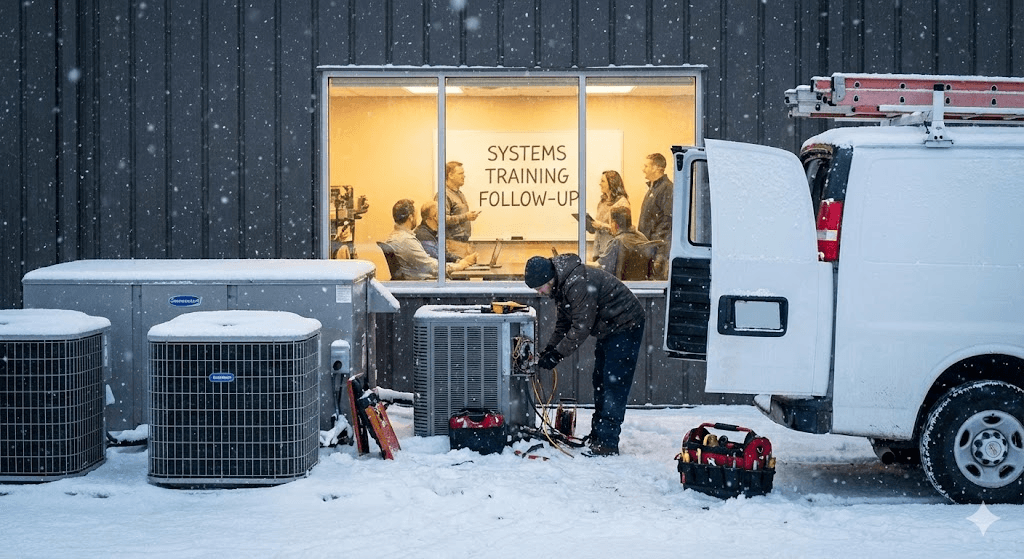
Winter often brings a noticeable decline in HVAC service calls, leading many contractors to view this period as a time to merely endure until the busier months return.
However, this off-season presents a prime opportunity to refine operations, implement strategic initiatives, and set the stage for increased profitability when demand surges.
Understanding Fixed Costs and Their Impact
Fixed expenses such as vehicle payments, insurance premiums, software subscriptions, and facility rents remain constant, regardless of fluctuating job volumes.
When revenue diminishes during the winter, these unchanging costs can significantly erode profit margins.
To mitigate this, it's essential to proactively manage and reduce overhead wherever possible.
Proactive Cost Management
Begin by reviewing and negotiating with service providers.
Contact your insurance agent, telecommunications provider, software vendors, and equipment leasing companies to discuss potential rate reductions.
Many are willing to adjust terms to retain valued clients.
Additionally, identify and cancel any subscriptions or services that are underutilized.
Consider selling idle equipment to free up capital and reduce depreciation losses.
Implementing AI Virtual Assistants
Integrating an AI-powered virtual assistant during the slower months can streamline operations and enhance customer engagement.
These systems can handle overflow and after-hours calls, schedule maintenance appointments, qualify leads, and capture inquiries from customers planning future projects.
With costs ranging from $100 to $300 per month, setting up such a system in winter allows for thorough testing and training, ensuring seamless operation during peak seasons.
Developing Standardized Templates
Utilize the off-season to create comprehensive templates for common services, including tune-ups, repairs, and installations.
These templates should encompass task checklists, material inventories, and labor estimates.
Implementing standardized processes can save significant time during busy periods and ensure consistent pricing and service quality.
Organizing Documentation and Visual Records
Allocate time to organize past project photos, invoices, and service notes.
Categorize them by job type to facilitate quicker access for future estimates and to provide compelling before-and-after visuals for marketing purposes.
Efficient documentation systems established during the slow season can lead to substantial time savings when workloads increase.
Comprehensive Equipment and Vehicle Maintenance
Schedule thorough maintenance for all equipment and vehicles during the winter months.
Perform oil changes, tire rotations, tool calibrations, and vehicle inspections to prevent costly breakdowns during peak periods.
Proactive maintenance not only reduces unexpected expenses but also ensures reliability when demand is high.
Early Scheduling for Spring Services
Initiate marketing campaigns targeting customers planning spring projects.
Offer incentives for early bookings, such as modest discounts for scheduling in advance.
The objective is to have a substantial portion of your spring calendar filled by March 1st, allowing for a strong start to the busy season without the need for last-minute scheduling efforts.
Recruitment and Training During Off-Peak Periods
If additional staff will be needed in the summer, begin the hiring process in winter.
This timing allows for comprehensive training, ensuring new technicians are fully prepared and productive by the time demand increases.
Investing in training during the slow season can lead to higher efficiency and service quality during peak times.
Focusing on High-Margin Services
Avoid the temptation to heavily discount services to maintain activity during the slow season.
Instead, concentrate on high-margin indoor jobs and be selective about the work you accept.
Prioritizing profitability over volume ensures that each job contributes positively to your bottom line.
Customer Communication Strategy
Communicate proactively with customers about the benefits of early scheduling.
For example: "Spring is our busiest season, and we're already booking appointments for March and April.
If you're considering any AC work or upgrades, let's secure your spot now while prime time slots are available.
Early bookings also allow us to dedicate ample time to planning your project, ensuring optimal results."
Key Takeaways
- Fixed costs remain constant during the winter; proactively managing and reducing overhead is crucial to protect profit margins.
- Utilize the slow season to implement systems and processes that enhance efficiency and profitability during peak periods.
- Avoid significant discounts to fill the schedule; focus on high-margin services to maintain financial health.
- Proactively market to customers planning ahead to ensure a robust schedule as the busy season approaches.
By strategically leveraging the winter slow season, HVAC contractors can strengthen their operations, improve profitability, and position themselves for success in the forthcoming busy months. |
0 Comments
Join the conversation
Be the first to comment
Share your thoughts above.